AI Isn’t Replacing Creativity. It is Exposing It. | A New Dear Art Producer Episode

A new episode of Dear Art Producer is live. Be sure to listen to the episode for the full picture but here are a few takeaways.
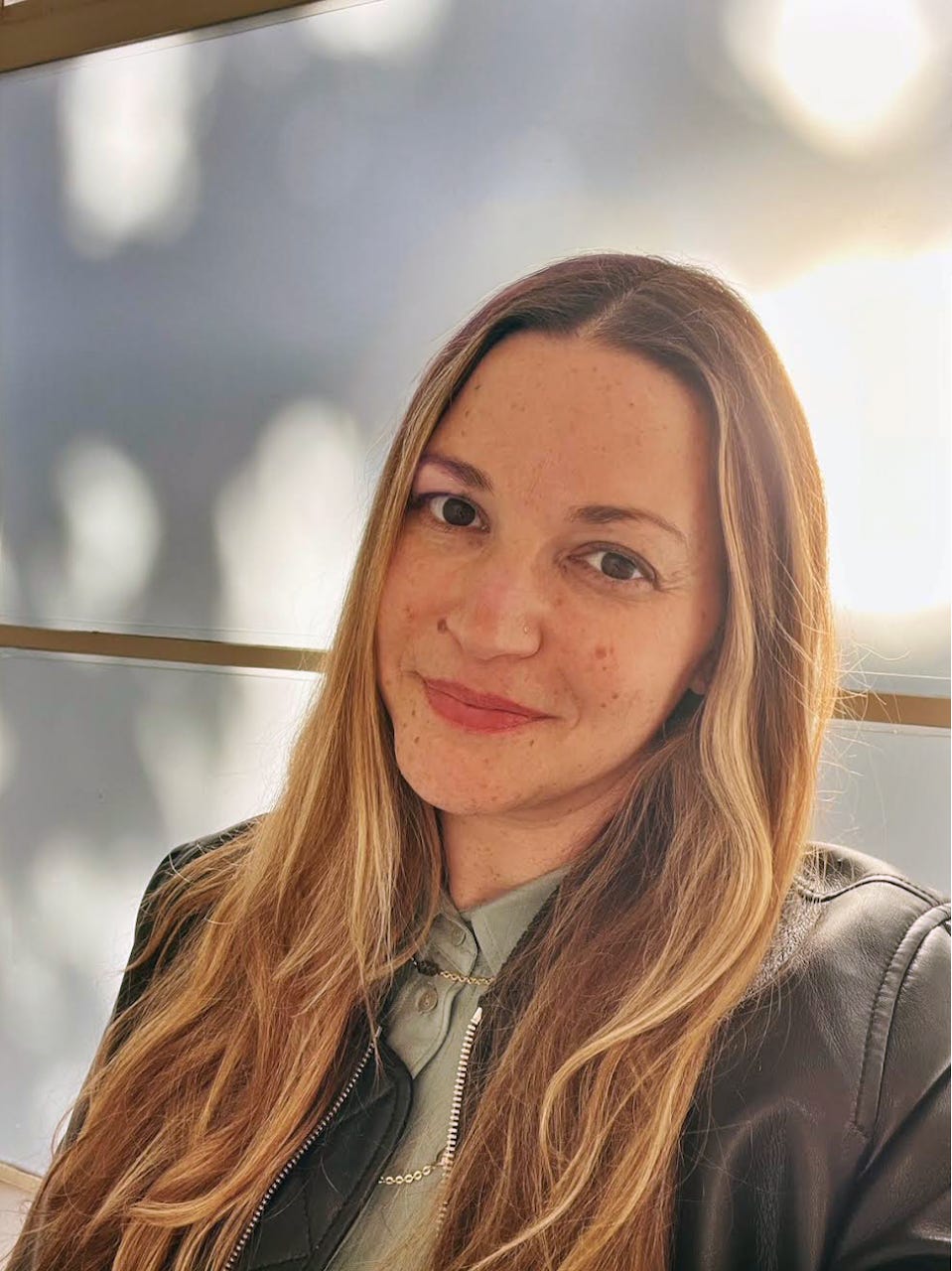
This episode showcases, Ali Berk, Head of Creative and Production at Billie, whose role sits between creative and production in a way that feels very aligned with where things are heading.We talked a lot about AI, production, and how work is getting made right now.
But I found myself coming back to one idea after we wrapped. We have more tools than ever and the ability to work faster. And still, the work that is gaining attention tends to come from somewhere more considered, more intentional, more human.
Ali spoke about AI in a way that felt grounded. It has a place. It can support the process, help visualize ideas, and bring alignment before a shoot. But it isn’t the whole thing, and it isn’t meant to be.
Listening to her, I started to see things come into focus. Creativity isn’t being replaced. It’s being revealed.
AI isn’t replacing creativity. It’s exposing it.
There’s a lot of conversation about AI right now, and most of it is still trying to figure out where it fits. Ali sees it as useful in very specific ways. It can help organize, visualize, extend. It can bring alignment before a shoot or help a team get on the same page more quickly. But it doesn’t carry the whole process, and it isn’t meant to.
She talked about using it to extend a background or help visualize a concept ahead of production. Practical uses that support the work without defining it.
Because when it starts to take on more than that, you can feel the difference. AI can generate images, but it doesn’t create intention. And that’s where something becomes more visible. The role of the creative, the thinking behind the work, the point of view guiding it all.
You can feel when that’s there, and you can feel when it’s not. And that space between the two feels more important now than it did before.
The role itself is starting to shift alongside the tools.
Ali described something I’ve been hearing more often, especially from people working in-house. The job isn’t only about execution anymore. It’s about shaping the idea from the beginning.
She said she has always approached her work as a creative partner, but in this role, she’s actually able to operate that way more fully. Not just producing the work, but helping define it.
It’s a subtle shift, but it carries real weight. With fewer layers and faster decisions, more responsibility sits with the people closest to the work, and that changes how collaboration happens. The strongest outcomes tend to come from that shared ownership. From teams that are engaged with the idea itself, not just moving it forward.
What still wins on set
When I asked her what makes someone stand out, her answer caught me off guard. She didn’t talk about technical skill or efficiency. She talked about discovery. The ability to come in prepared, but still leave room for something to happen. To notice something unexpected, to protect time for it, and to recognize when the best moment wasn’t part of the original plan.
She described it as the space where the work often reveals itself. The part you couldn’t have planned, even if you tried. It made me think about how much of our process now is built around eliminating risk. Tight schedules, pre-visualization, AI comps, decks that map everything out before we even arrive. All of it is designed to ensure we get what we came for.
And yet, the work that stays with you is often something else entirely.
Coming back to it
At a moment when everything is pushing us to move faster, automate more, and predict outcomes before they happen, the work that lasts still depends on something else.
A point of view. A collaborator. A moment you couldn’t have planned. AI isn’t removing creativity from the process. If anything, it’s asking more of it. Could that be the shift? Not away from creativity, but a return to it?
Click here to listen to Episode 121.
Click here to read more.